
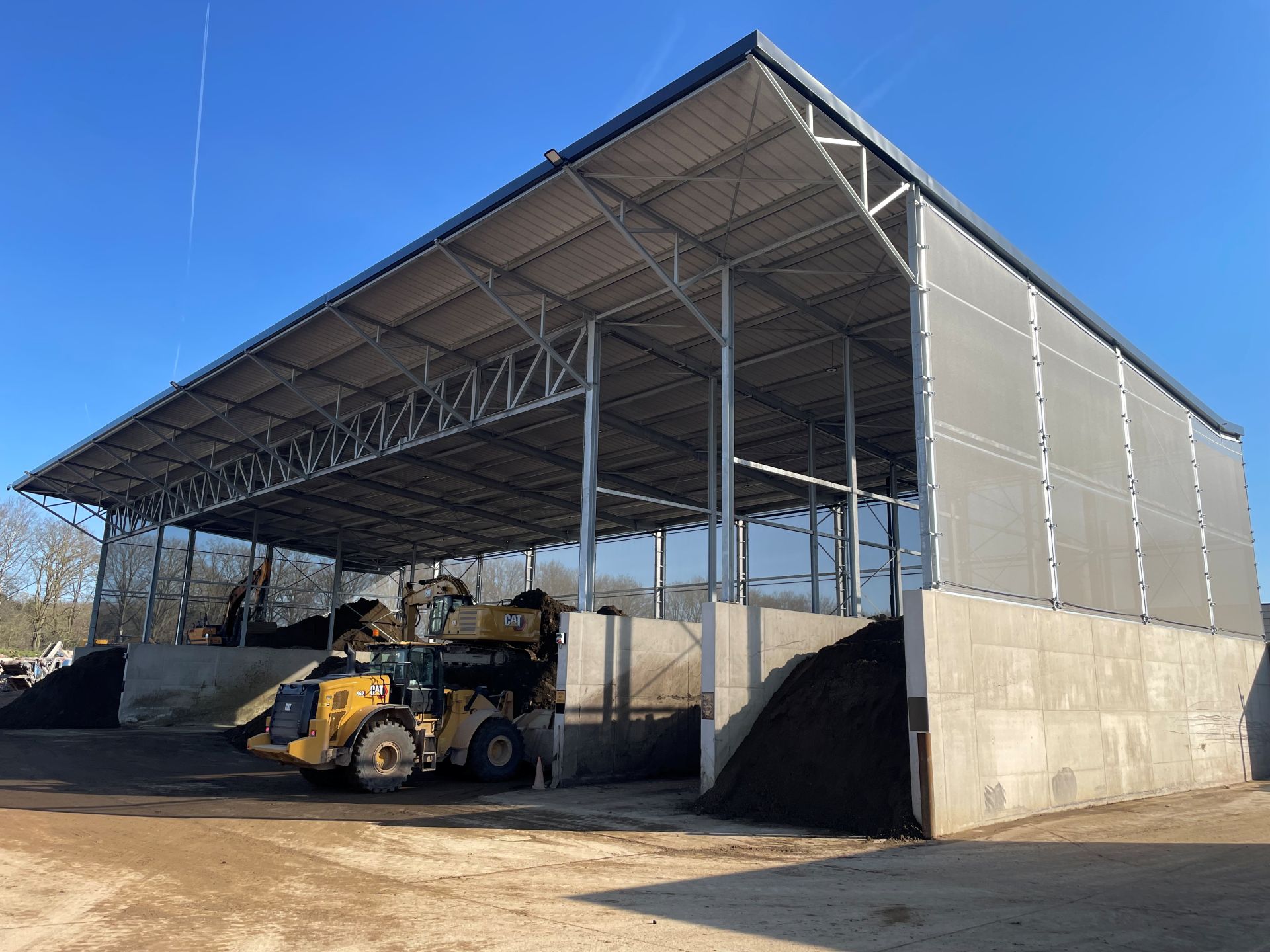
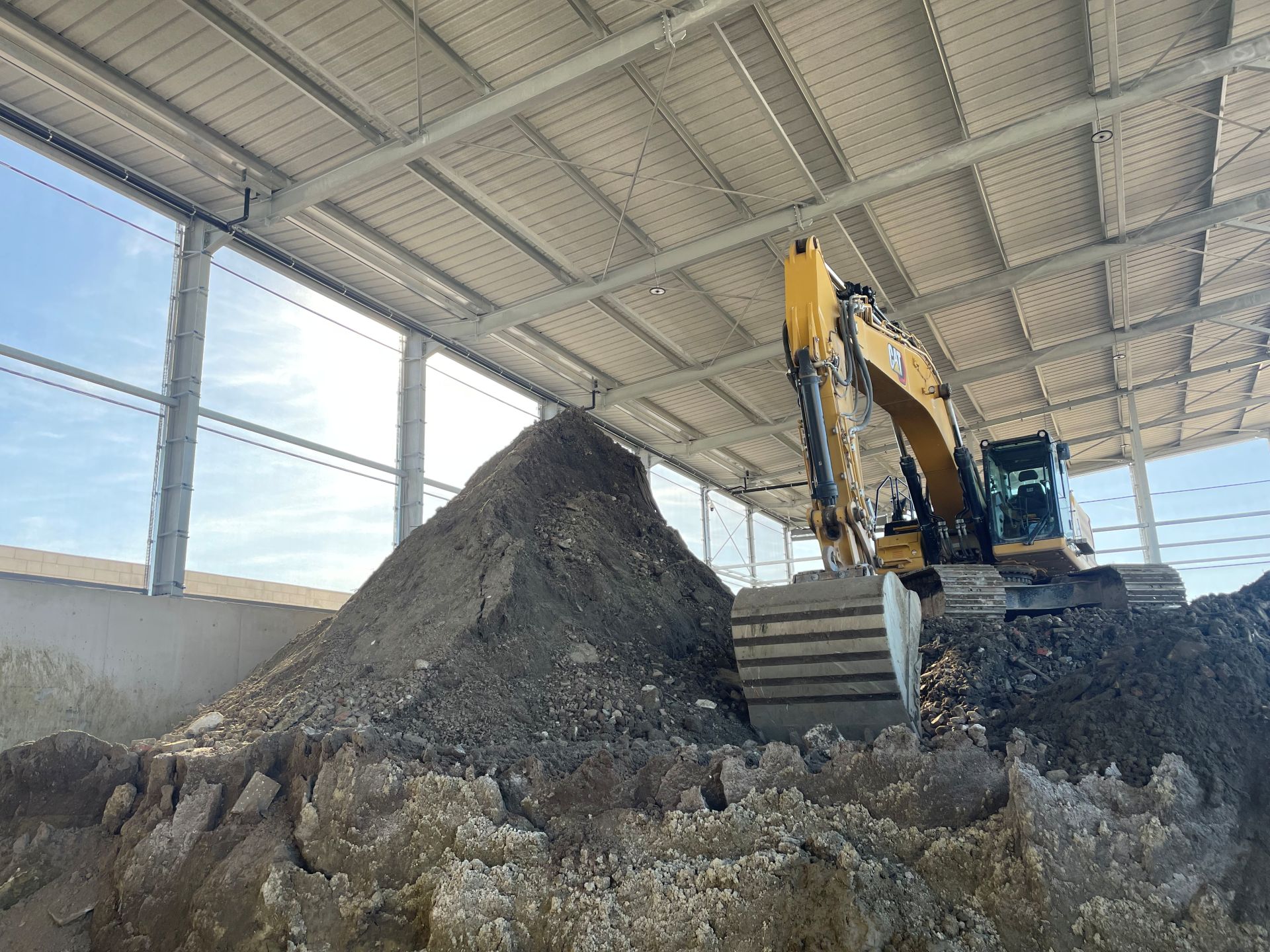
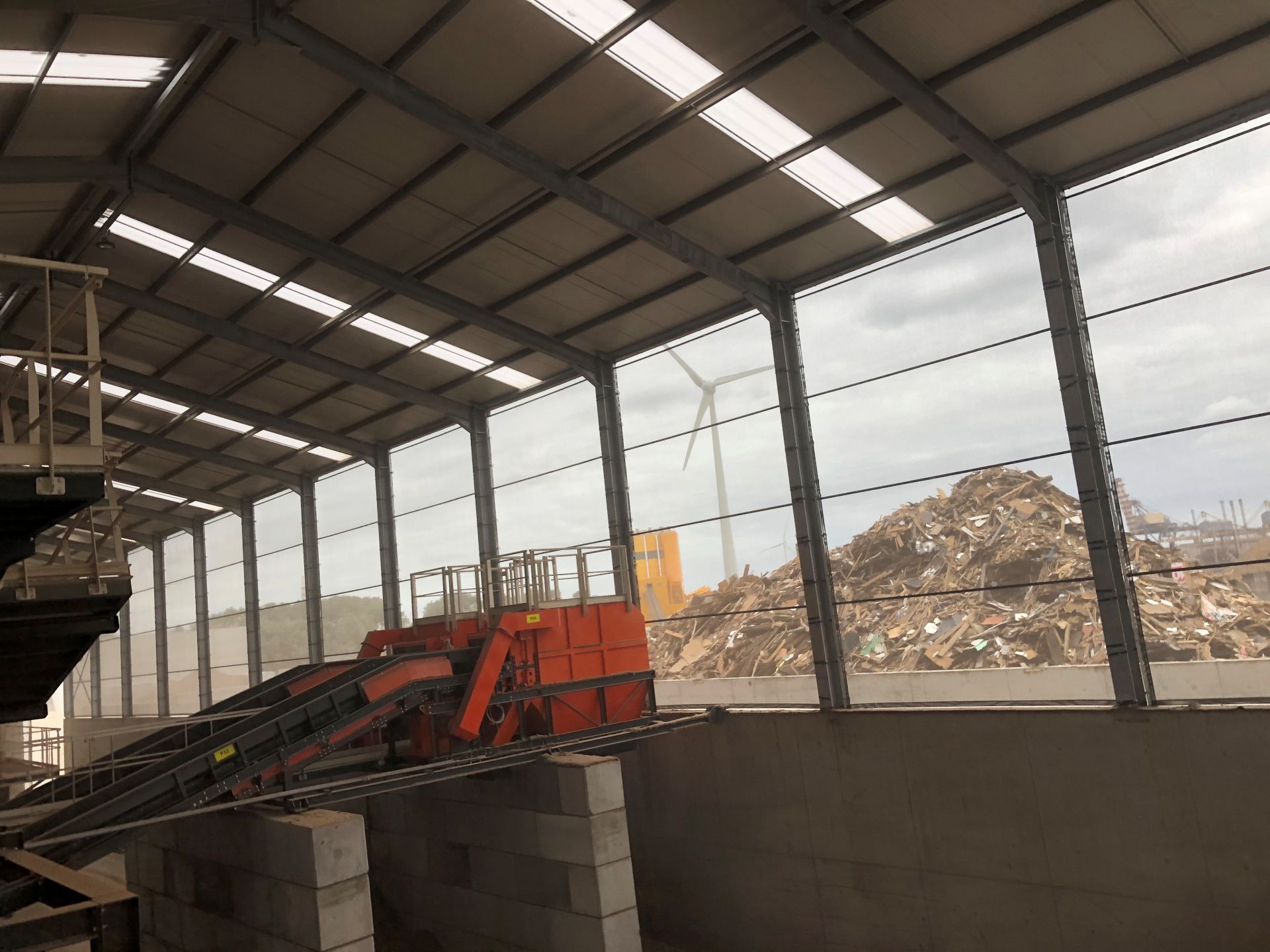
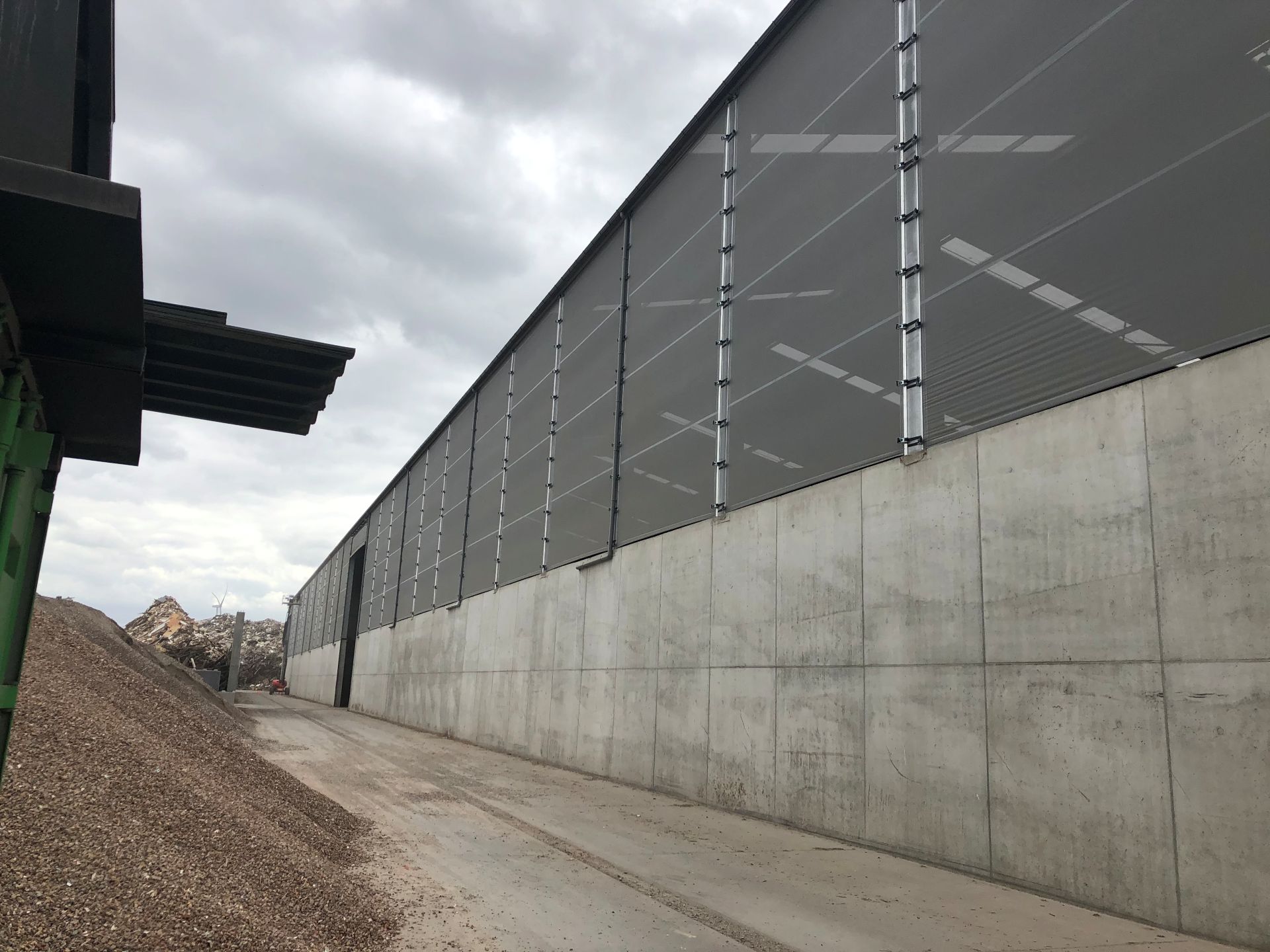
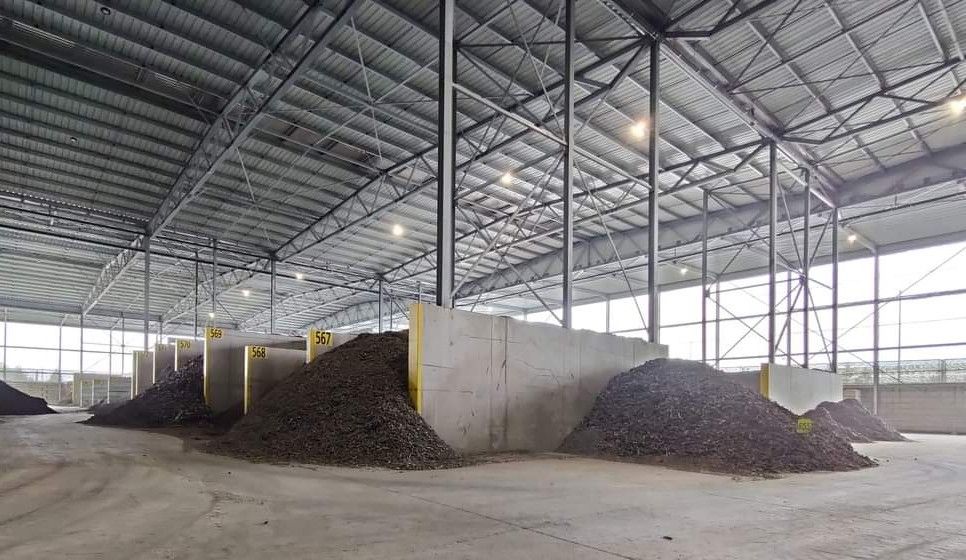
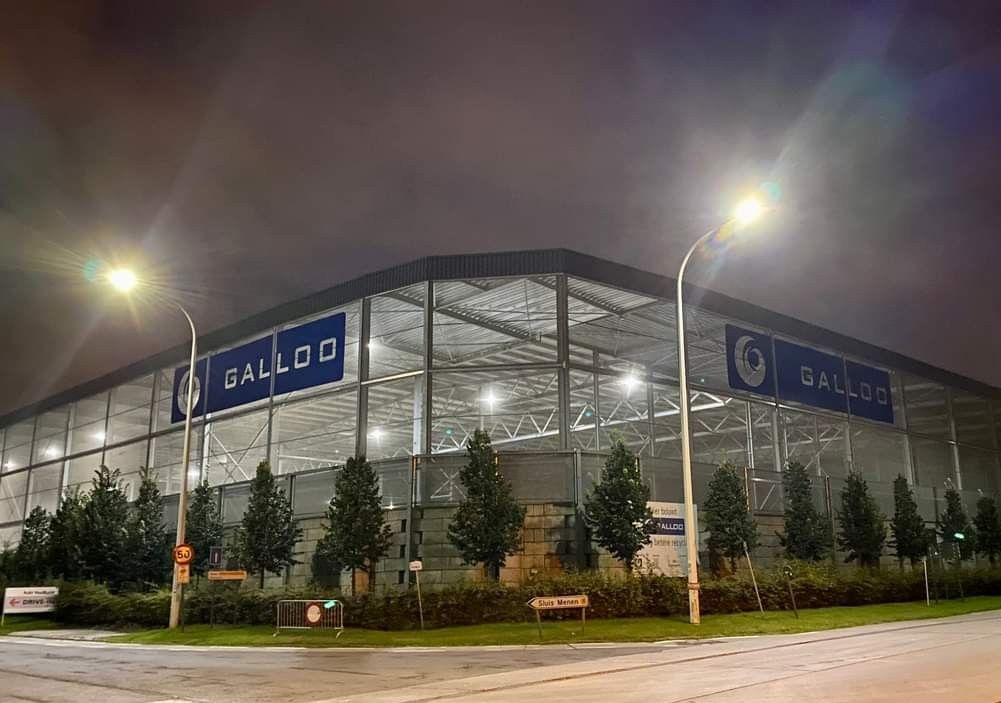
A completely enclosed hall keeps dust, heat, and moisture within its own walls. Wind thermals continue to circulate inside without an escape route, causing dust particles to remain constantly in suspension and spread throughout the entire space. Many recycling and earthmoving companies therefore opt for a ventilated warehouse, with permanent openings in the facade or roof that provide natural airflow.
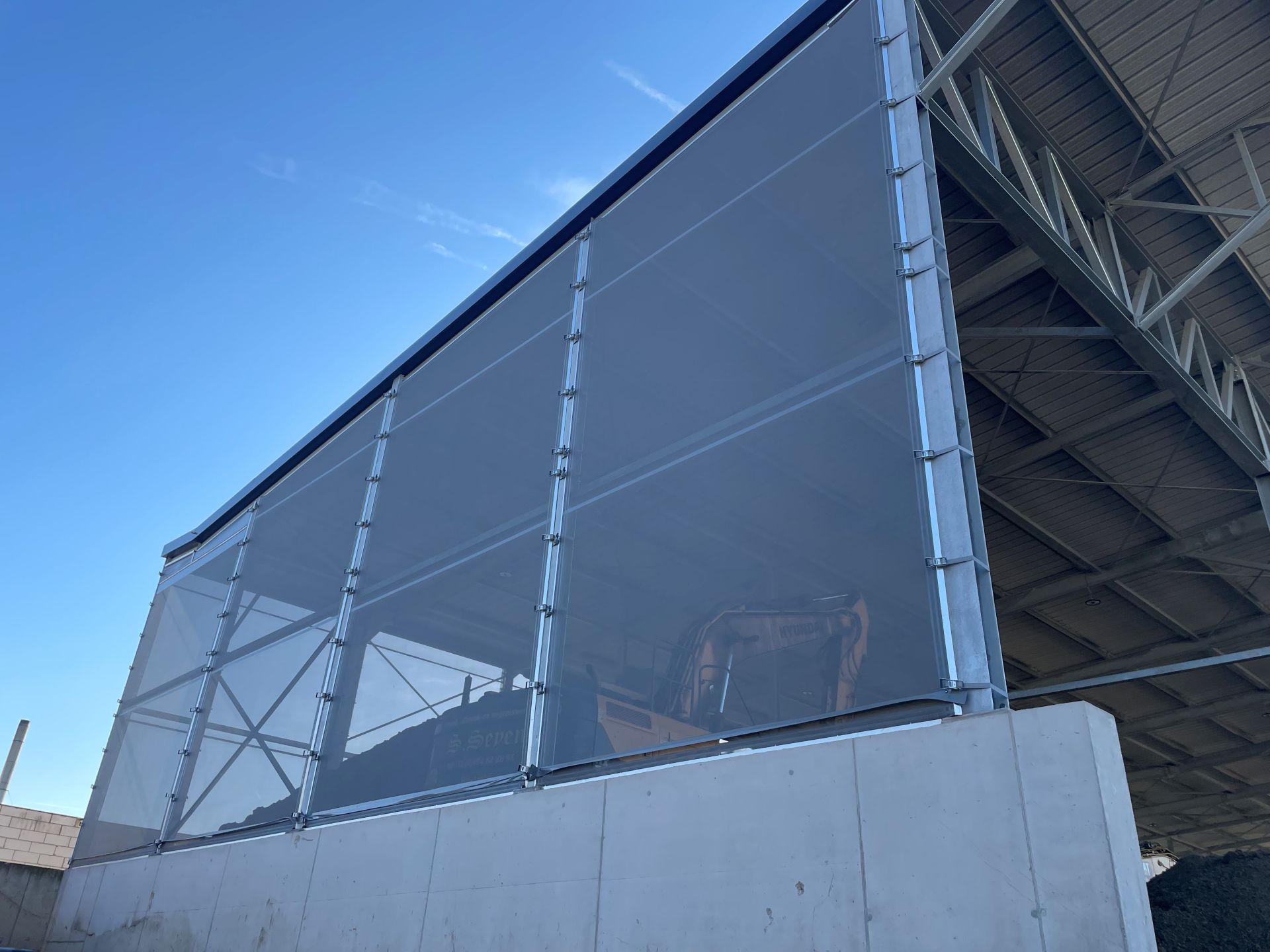
These openings solve the problem of trapped dust, but introduce a new challenge. Unprotected openings also allow wind, rain, and dust to enter from the outside. We work with technical textiles that fill these openings in a way that maintains airflow while still keeping a grip on the elements.
Each solution is calculated based on the airflow patterns of the specific hall, the wind load, and the nature of the activity inside.
Request a technical analysis or contact us to discuss your projects.
In a ventilated warehouse, wind thermals are given a controlled escape route. The dust that would otherwise continue to circulate can settle instead of spreading throughout the entire workspace. This principle forms the basis of many modern recycling halls and sorting centers, where continuous dust generation is a fixed feature of the activity.
Dexcon technical textiles fill the ventilated zones without blocking airflow, allowing the hall to continue breathing while keeping dust, wind, and rain under control.
A ventilated warehouse also keeps the temperature within tolerable limits during warm periods. Continuous air circulation limits heat buildup for the people working there, without the need for additional ventilation technology.
Ventilated sheds are utilized in various locations within a building.
The textiles for ventilated zones come from the same range as the other solutions, with a density specifically chosen for the desired balance between air permeability and protection.
Bee recycling companies Ventilated sheds ensure a sheltered work zone where dust remains within the premises instead of blowing to the neighbors. Ventilated silo installations ensure that air quality remains at an optimal level without moisture buildup. During earthmoving and infrastructure works, a ventilated setup ensures a more stable working environment around zones where material is constantly being moved. In the energy sector Ventilated technical buildings surrounding installations maintain air quality without additional mechanical ventilation.
We start every ventilated warehouse project with a free technical analysis that maps the airflow patterns, wind load, and site layout of the hall. Based on this, a design is created including wind load calculations and 3D measurements. A European manufacturer with over thirty years of experience supplies the technical textiles, VCA-certified installation teams handle the placement, and Dexcon manages the project from the initial analysis to delivery.
In addition to ventilated warehouses, Dexcon also supplies fixed screens, adjustable sides, dust walls and sound barriers in technical textiles, each tailored to the building and the specific ventilation requirements.
Request a technical analysis or contact us to discuss your projects.